
Gungahlin Balcony Bird Netting
Protect your Gungahlin balcony with durable and safe bird netting designed to keep birds away from your home or business. Our expert solutions include balcony bird nets, bird spikes, and effective bird control methods to suit your specific needs.
Call Now!
Factors Influencing Bird Activity on Gungahlin Balconies

What Attracts Birds to Balconies in Gungahlin?
Birds visit balconies in Gungahlin because these outdoor spaces offer places to perch, food to eat, and shelter from weather. Balconies close to gardens or patios with plants can act like small homes for native wildlife. When food sources like seeds, berries, or insects are nearby, many bird species come often.
The main reasons birds are attracted include:
- Shelter: Balconies with roofs or nearby structures give birds safe spots to rest away from predators and bad weather.
- Food Sources: Bird feeders, fruit plants, or areas rich in insects near balconies help attract birds naturally.
- Habitat Similarity: Balconies with shrubs or small trees resemble natural habitats, encouraging bird behaviours like nesting or resting.
Knowing these factors helps people make balconies good for birds while managing visits when needed.
How Does Weather Impact Bird Presence on Balconies?
Weather affects how often birds come to balconies in Gungahlin. Different daily and seasonal conditions can make birds stay away or visit more.
- Rain and Wind: Birds usually avoid balconies during heavy rain or strong winds and look for shelter in thick plants or safer places.
- Sun and Temperature: Warm, sunny days bring more bird activity as they perch and feed outside. Too much heat, however, may stop birds from coming because of UV rays and overheating.
- Seasonal Changes: Migration and breeding times change bird visits; balconies may get more birds in spring and autumn when birds are active.
Adding shelter on balconies helps birds deal with weather and supports native wildlife throughout the year.
What Role Does Surrounding Vegetation Play?
Plants around balconies play a big part in bird behaviour in Gungahlin. Trees, shrubs, and garden plants give birds shelter and food, attracting many species.
- Habitat and Shelter: Thick leaves protect birds from predators and bad weather, so balconies near plants become favourite resting places.
- Food Sources: Native plants bring insects and produce seeds or fruits, acting as natural food for birds.
- Perching Opportunities: Branches and leaves provide safe spots for birds to sit as they explore.
Vegetation helps increase biodiversity near balconies and works as a natural way to keep pests away, making outdoor living areas healthier.
Have you noticed certain birds visiting your balcony regularly? Share your experiences or questions below to help us learn more about local bird behaviour. For advice on managing bird activity safely and kindly, contact Bird Proofing Gungahlin.
Sources:
- Australian Museum – Bird Behaviour and Habitats
- CSIRO – Impact of Weather on Bird Activity
- BirdLife Australia – Native Vegetation and Bird Habitat
Selecting the Right Bird Netting for Your Balcony
What Materials Are Best for Balcony Bird Protection?
Choosing the right materials is very important for bird netting on your balcony. The best bird netting uses strong, eco-friendly mesh that lasts well outside. It should resist UV light to stop fading and damage from the sun. This helps the netting last a long time and keeps birds away effectively.
Good-quality bird netting can also give some shade, which helps keep your balcony cool and protects against pests. The netting needs to be safe and humane so it does not hurt native wildlife. Effective bird control means using netting that is both safe and tough.
Look for affordable netting that still has good quality. A strong mesh gives you protection from pests and birds for many years. This will give you peace of mind and a better overall experience.
How Do You Measure Your Balcony for Netting?
Measuring your balcony correctly is the first step to getting bird netting that fits well and works right. Use simple tools like a tape measure to check the length, width, and height of each side you want to cover.
Follow these steps:
- Measure from corner to corner, including any odd shapes.
- Add extra length so the netting can overlap during installation.
- Take note of things like railings or lights that might get in the way.
- Write down the measurements carefully.
Correct measurements help you buy netting that suits your space and needs. Whether you do the install yourself or hire an expert, knowing the size makes the process easier and improves customer satisfaction. If you are unsure, ask for advice from professionals with experience in home pest and bird control.
What Are the Different Bird Netting Options?
There are different types of bird netting for balconies to fit different needs and bird species. Some common options include:
- Standard Bird Nets: Made from strong synthetic mesh, good for general bird protection.
- Shade Cloth Netting: Blocks sunlight and controls birds, making your balcony more comfortable.
- Eco-Friendly Nets: Made from natural or recycled materials to protect the environment.
- Innovative Bird Control Solutions: Combine netting with other pest control methods, like sound deterrents.
Each option offers different levels of strength, coverage, and look. Choose the netting based on your balcony, local wildlife, and how much you want it to be seen.
Safe and flexible netting is best. It protects birds without harming them. Many solutions now also use pest management ideas that are good for the environment.
For best results, pick netting that stops the types of birds common near you in a kind way. This keeps your balcony safe and makes outdoor living more enjoyable.
A Step-by-Step Guide on Installing Bird Netting
Can I Install Bird Netting Myself?
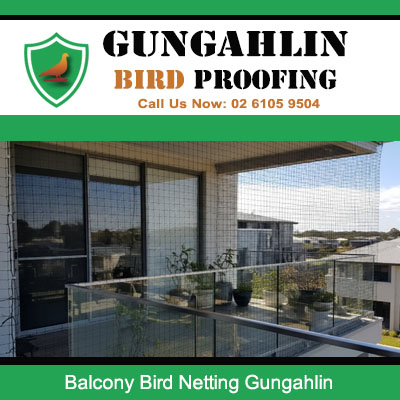
You can install bird netting yourself to protect your balcony from birds. Many people choose DIY balcony bird netting because it saves money and is simple with basic tools. When using bird netting for balconies, follow clear instructions and pick the right materials for safety and good results.
Here are some tips for a good DIY installation:
- Use high-quality netting for balconies that is made for keeping birds out.
- Measure your balcony carefully before buying netting.
- Follow step-by-step guides to avoid mistakes.
- Use strong hardware like hooks, cables, or fittings to hold the netting firmly.
- Stay safe by using ladders correctly and wearing protective gear.
- Check and fix your netting regularly to keep it in good shape.
Many customers say that with good planning, installing balcony netting is easy and works well to control birds. If you are not comfortable with heights or tools, experts in balcony netting Gungahlin can help with professional installation for safety and peace of mind.
What Tools Will I Need for Netting Installation?
Having the right tools makes installing bird netting easier and safer. You will need common tools and a few special ones to attach and hold the netting properly.
Tools needed for installing bird netting on balconies include:
- Screwdrivers (flathead and Phillips)
- Power drill with bits
- Measuring tape or laser measurer for accurate size
- Ladder or step stool to reach high places safely
- Safety gear like gloves and eye protection
- Fixings such as hooks, eye bolts, and cable ties
- Scissors or wire cutters for cutting extra netting
- Hammer and screws for mounting brackets
Using these tools helps make sure your balcony nets stay secure and last longer. Companies offering bird nets Gungahlin often suggest these tools and may provide kits to help with the installation.
How Do I Secure the Netting to My Balcony?
Properly securing netting is important to keep birds out and make sure the netting lasts. Different bird netting options need the right fittings and hardware to resist wind, sun, and bad weather.
To secure netting for balcony areas well:
- Attach the netting tightly using strong fixings like stainless steel hooks or cable ties.
- Use UV-resistant materials so the netting does not wear out in sunlight.
- Seal all edges to stop birds from getting through gaps.
- Make sure attachments are weatherproof and do not rust.
- Check and repair the netting often to fix any damage.
- Choose netting that is strong but flexible to avoid damage when installed.
For reliable advice on balcony netting Gungahlin, local experts can offer solutions that fit your home. This keeps your balcony protected while staying safe and looking good.
Have you tried installing bird netting yourself? Share your experience or ask questions below to help others using this bird control method!
Maintaining Your Bird Netting for Longevity
How Often Should I Clean Balcony Netting?
Regular maintenance is important to keep your balcony netting and bird netting working well and lasting longer. Cleaning your netting helps remove dirt, dust, debris, and pests that can cause damage over time. It is best to clean your bird netting every 3 to 6 months, depending on the weather in your area.
Outdoor netting is exposed to rain, wind, and sunlight. These increase how fast dirt and debris build up. Regular cleaning helps keep your netting safe by stopping blockages that could trap birds or pests. It also makes sure your bird control system keeps protecting your property.
To clean your netting:
- Use a soft brush or cloth to gently remove dirt and dust.
- Rinse with water, but avoid strong chemicals that can harm the material.
- Let the netting dry completely before putting it back if you remove it.
Doing regular maintenance improves the durability of your balcony netting and helps it last longer. This can save you from costly repairs or replacements.
What Are the Signs That Netting Needs Repairing?
Check your bird netting and balcony netting often to spot any wear and tear early. Knowing when your netting needs repair prevents failures and reduces health risks from broken or weak barriers.
Look for these signs:
- Holes or tears in the mesh.
- Loose or sagging parts that don’t cover the area properly.
- Fading or brittleness caused by too much UV exposure.
- Birds trapped or pests getting through the netting.
If you ignore these signs, it can cause problems like birds getting stuck, pests entering, and damage to your property. Inspect your netting at least twice a year, especially after bad weather, to keep it safe and working well.
Fixing issues quickly keeps your bird netting strong and helps with pest control. It also protects the environment around your home.
How to Prevent Damage to Netting from UV Exposure and Weather Conditions?
Bird netting and balcony netting that stay outside face damage from sun, rain, wind, and temperature changes. To keep your netting durable and long-lasting, you need to protect it from these weather conditions.
Here are some ways to prevent damage:
- Use quality materials that resist UV and are made for outdoor use.
- Put up shade cloths or covers to block direct sunlight when possible.
- Check your netting regularly for early signs of weather damage.
- Take down and store removable netting during severe weather to prevent extra strain.
- Secure netting tightly to stop wind from damaging it and causing tears.
Protecting your netting from sun and weather not only helps it last longer but also keeps bird control steady. Good maintenance reduces the need to replace netting often, which is better for the environment.
Follow the care instructions from the manufacturer and fix any damage quickly to keep your bird netting working well all year.
Addressing Common Concerns About Bird Netting
Is Bird Netting Harmful to Birds or Other Wildlife?
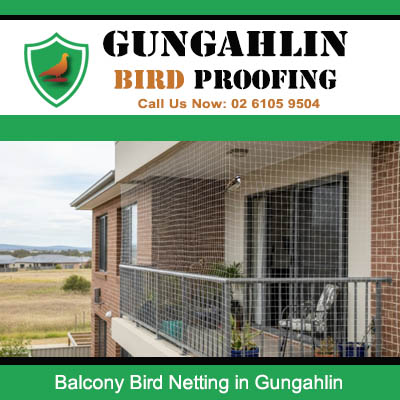
Bird netting is made to be an eco-friendly and humane way to control birds. When installed properly, it stops birds from entering certain areas without hurting or stressing them. It respects native wildlife by letting birds keep their natural behaviours elsewhere, lowering risks to their health and safety.
Important points about bird netting and wildlife:
- Safety First: Good-quality netting materials avoid trapping or hurting birds and other native species.
- Humane Approach: The net acts as a barrier, not a trap, following ethical ways to treat wildlife.
- Environmental Impact: Netting used in integrated pest management protects property while supporting local ecosystems.
- Disease and Injury Prevention: Keeping birds away from sensitive spots helps stop the spread of disease and prevents damage that can harm both wildlife and people.
Using professional installers helps ensure the netting stays safe and works well, supporting peaceful living with native bird species.
Does Strata Approval Require Bird Protection Balconies?
In homes managed by strata, rules and laws often control changes like adding bird protection on balconies. Following strata regulations makes sure your installation is legal and avoids problems.
Key facts about strata approval and bird netting:
- Strata Regulations: Many strata schemes need written permission before you add bird protection netting on balconies.
- Legal Rights: Owners must follow building codes and strata rules to keep safety and appearance for all residents.
- Approval Process: Getting strata approval usually means submitting plans and details for review.
- Compliance Requirements: Installation must meet standards set by the strata committee, including safety and look.
Homeowners should check with their strata management first. This helps meet all legal rules while keeping unwanted birds away.
What If Birds Get Trapped in the Netting?
Bird netting is made to avoid trapping birds, but sometimes birds get caught because of damage or wrong installation. Acting quickly and kindly helps protect animal welfare and lowers health risks.
How to handle trapped birds:
- Regular Monitoring: Check the net often to find problem spots early.
- Preventative Maintenance: Fix any holes or tears quickly to stop birds from getting trapped.
- Humane Rescue: Use trained experts for safe bird removal and care.
- Emergency Procedures: Have a plan ready to help if a bird gets caught to reduce stress and injury.
- Customer Support: Good suppliers and installers offer advice and help if problems happen.
Taking care of native wildlife responsibly keeps bird netting a safe and useful way to control birds.
What types of netting solutions are best for protecting balconies from birds?
Durable bird nets made from strong mesh are best for keeping birds away from balconies. These nets suit outdoor areas like patios and verandas, and they block birds while letting in air and light.
How do bird spikes compare to balcony bird nets for bird pest control?
Bird spikes work well on ledges but may not cover open spaces like balconies. Balcony bird nets fully enclose the area to stop birds, rodents, and other pests from entering, making them safer and more effective.
Can I install balcony bird netting myself, or should I hire an expert?
You can install bird netting yourself if you have the right tools. However, hiring an expert is better because they ensure the net fits well, follows local rules, and lasts longer, giving you a good experience.
Are bird nets safe for pets like cats and other wildlife?
Yes, good quality bird netting is safe and kind to pets. It keeps birds and pests out without using harmful chemicals, so your pets can enjoy the outside safely.
What maintenance is required to keep balcony netting effective over time?
You should clean the net, check that the fittings are tight, and fix any holes or gaps caused by weather. Regular checks help keep the net working well for a long time.
Do bird netting solutions cover protection for solar panels and other outdoor fixtures?
Yes, netting can be made to protect solar panels, lawns, and other outdoor items from bird droppings and pests. This keeps your property clean and safe.
How do you handle pests other than birds, like ants, rodents, and insects?
Using netting along with ant control, traps, and regular checks helps manage many pests. This protects your home from health risks in a safe way.
What should customers consider when choosing bird netting services in Canberra or Gungahlin?
Choose companies that offer custom solutions and good customer service. Look for positive reviews, clear prices, and quality materials that meet safety standards while keeping noise and visual impact low.
Gungahlin Balcony Bird Netting Insights
- We provide complete netting services for Gungahlin balconies, including balcony bird netting and netting balcony options to protect your outdoor and living areas from pigeons, magpies, and other birds without causing them harm.
- Our pest control uses both bird repellents like ultrasonic devices and netting to offer strong bird prevention that suits your specific needs in Gungahlin ACT 2912 and nearby places like Queanbeyan, NSW.
- We install tough shade cloth and netting for courtyards and solar panels, keeping your property safe from insects such as ants, termites, silverfish, and fruit flies.
- Our bird control methods focus on safe, humane ways to keep birds away. We follow all legal rules about wildlife and strata to get lasting results while caring for the environment.
- We treat and prevent pests like ants, spiders, fleas, and others that affect indoor and outdoor spots, including around bathrooms, flooring, paint, and furniture.
- Our solutions keep your airflow, power, and outside tools like lawn mowers and BBQs clean and free from bird droppings and pests, making your street-facing balconies and dining areas more usable.
- With a skilled team handling both commercial and home projects, we offer trusted, affordable services from start to finish. Our positive reviews and testimonials show our strong focus on quality and your satisfaction.
- We help you pick the right products such as blinds, shutters, curtains, and nets to protect your home or business from unwanted birds and pests while keeping everything looking great.
- Our services support both rural and city homes across Australia. We balance protection with care for the environment to give you safe and effective bird and pest control.
- Contact us today for a quote. Let us help you have a cleaner, safer balcony with expert bird netting and pest control services made for residents and businesses in Gungahlin. Latitude: -35.18413422924959, Longitude: 149.13995228410647